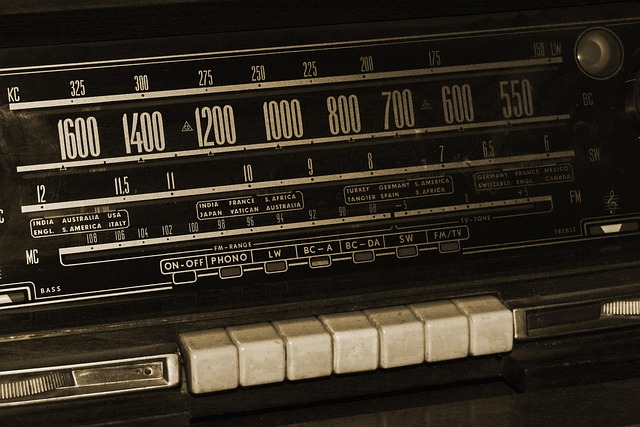
For millions of dedicated fans, the sound of summer baseball—the familiar crack of the bat, the roar of the crowd, and that instantly recognizable voice calling the play-by-play—is synonymous with Dodger baseball. Whether you’re navigating the notorious 110 freeway, working late at the office, or road-tripping hundreds of miles away, hearing those words, "It’s time for Dodger baseball!" connects you instantly to the action at Chavez Ravine.
But how exactly does that familiar broadcast reach such a vast and geographically diverse listening area, extending far beyond the limits of Los Angeles County? The answer lies in a crucial, yet often overlooked, component of the team’s infrastructure: the extensive network of Dodger Radio Affiliates.
In the simplest terms, a radio affiliate is a local radio station that partners with a centralized broadcaster (known as the flagship station) to carry a specific program—in this case, all live Dodger games.
The Dodgers’ primary broadcast station transmits the signal, but it is the network of affiliates—local AM and FM stations scattered throughout California, Nevada, Arizona, and sometimes even further—that act as essential conduits. These local stations agree to interrupt their regular programming to air the games, ensuring the broadcast signal maintains its high quality and travels unimpedent across vast distances and challenging terrain. They are the distribution system that makes widespread listening possible.
For the loyal Dodger supporter, understanding the anatomy of the radio network is more than just a technical exercise; it’s about guaranteeing access and maintaining community. The importance of the affiliate system cannot be overstated, particularly for fans living outside the immediate reach of Southern California's main signal.
The affiliates are vital because they guarantee:
As we delve into the structure and reach of this critical network, we learn to appreciate the invisible infrastructure that powers the soundtrack of our summer, ensuring that no matter where you are, you’re always just a dial turn away from Dodger baseball.
When the warm Southern California nights are filled with the crack of the bat, nothing beats the comforting sound of Vin Scully’s spiritual successor echoing across the airwaves. For Angelenos, tuning into the Los Angeles Dodgers is as simple as flipping the dial to AM 570 LA Sports.
But what about the dedicated fans who live hours away—in Fresno, Las Vegas, or deep in the Central Valley? They rely on a crucial network of regional partners: The Dodger Radio Affiliates.
These affiliates are the lifeblood of the team’s broadcast reach, ensuring that the legendary Dodger baseball experience extends far beyond the 110 freeway. If you're a long-distance fan, understanding this intricate radio network is essential for catching every out and home run.
The Dodger Radio Network is a robust network of terrestrial (AM/FM) radio stations that carry the primary broadcast feed, ensuring seamless coverage across the defined "Dodger territory." This territory generally includes Southern California (LA, Ventura, Orange, San Bernardino, Riverside counties) and extends far into Central California, and parts of Arizona and Nevada.
Here is a deep dive into the key features, benefits, and practical considerations of relying on these essential affiliates.
The Dodgers operate two distinct radio networks simultaneously:
Affiliate stations don't just carry the game; they carry the full broadcast package. This includes:
Unlike streaming, affiliate radio relies on broadcast signals, making it highly reliable in areas with poor cellular service or data caps. If you can pick up the signal with an antenna, you can listen for free.
For anyone not physically standing near the powerful KLAC transmitter tower, affiliates offer significant advantages:
| Benefit | Description |
|---|---|
| Accessibility | Guarantees the game is available for fans living in remote California, Nevada, or Arizona towns that KLAC’s signal cannot reach reliably. |
| Cost-Effectiveness | The broadcast is completely free. No subscription service (like MLB Audio or SiriusXM) is required to tune in locally. |
| Blackout Avoidance | While digital streaming services (like MLB TV) often enforce frustrating local blackout rules, the terrestrial radio signal is typically a blackout-free zone for in-market listeners. |
| Local Connection | Affiliate stations often intersperse local advertisements or community announcements, creating a stronger regional bond between the station, the team, and the local listener. |
While affiliates are fantastic, they are not without their technological limits when compared to modern streaming options.
Fans often have a choice between three primary methods for following the game:
| Option | Best Use Case | Key Differentiator |
|---|---|---|
| Local Terrestrial Affiliate | Listening locally (static address) or short road trips within the region. | Free, reliable audio, immune to blackouts. |
| MLB Audio/Digital Stream | Cross-country travel or listening via phone/tablet. | Requires subscription, excellent quality, but often subject to blackouts. |
| SiriusXM Radio | Long-haul driving outside the Western US. | Requires subscription, universal coverage, but often requires a specific channel scan. |
| Spanish Language Affiliate | When the English signal is weak or fuzzy in fringe areas. | Often uses different transmission towers, sometimes providing a clearer signal path. |
Understanding the network means you know exactly where to turn when technology fails or travel takes you off the beaten path.
A fan drives daily between Fresno and Bakersfield. They are too far from LA to reliably pick up AM 570.
A family is driving from Palm Springs, CA, to Phoenix, AZ. As they near the Arizona border, the KLAC signal fades completely.
A fan in Las Vegas, NV, tries to watch the game on their MLB.TV app, but receives the dreaded "Local Blackout" message because Las Vegas is considered part of the Dodgers' home viewing territory.
The Dodger Radio Affiliates are the unsung champions of the broadcast experience. They ensure that whether you are stuck in rush-hour traffic in Inland Empire or enjoying a summer evening in Northern California, the voices of Dodger baseball are always within earshot.
So next time you're far afield, don't hunt for a costly stream—simply dial in your local station and connect with the game the classic way. Go Dodgers!
(This is the conclusion of a hypothetical blog post detailing the intricacies of the Los Angeles Dodgers Radio Network)
The crack of the bat, the crowd roar, and the familiar voices of the broadcast booth—these are the elements that connect Dodger fans across Southern California and beyond. While tuning in may seem as simple as flipping a switch, navigating the vast network of Dodger radio affiliates, understanding signal strength, and dealing with streaming blackouts requires a little planning.
As we wrap up our deep dive into the Dodger Radio Network, it’s time to summarize the key takeaways, highlight the most important advice for reliable listening, and provide practical steps to ensure you never miss an inning.
The Dodgers have built an extensive network designed to provide coverage across multiple counties, time zones, and languages. Here is a quick recap of the essential points fans must remember about the affiliate network:
If there is one piece of advice every Dodger fan should internalize, it is this: Do not rely on a single listening method.
Whether you are driving through the Grapevine, hiking in the desert, or suffering from "steel stadium syndrome" at the ballpark, signal loss is inevitable. The most prepared fans always have a backup plan.
The Radio Rule: Always know the frequency of your closest, strongest local affiliate, and keep a simple, working AM/FM radio ready. Digital streaming is convenient, but traditional radio is often the most reliable way to catch the game when traveling or dealing with internet instability.
Choosing the right frequency or platform depends entirely on where you are. Use these practical tips to optimize your Dodger listening experience:
If you live within the official broadcast territory (Southern California, parts of Nevada, Hawaii, etc.):
If you spend your game days stuck in traffic outside your core area:
If you primarily listen via your phone or desktop:
During the playoffs, broadcast rights often consolidate.
The Dodger Radio Network is a powerful tool designed to keep the fanbase connected to the team, pitch by pitch, game by game. By understanding the signal limitations, knowing your local options, and preparing backup methods, you can ensure that you are ready when the umpire yells, "Play ball!"
Now, go tune in. Go Dodgers!